How Scoreline Sports Bar Became the Go-To Spot for Big Games in the USA
On any given game night in the United States, there’s a familiar question: Where are we watching it? For fans of football, basketball, baseball, and everything in between, Scoreline Sports Bar has increasingly become the answer. Its rise from just another neighborhood bar to a nationwide go‑to spot for big games comes down to a mix of smart planning, fan‑first service, and a deep understanding of what a true game‑day experience should feel like.
At its core, Scoreline understood that watching sports is not just about the screen—it’s about the atmosphere. From the beginning, they invested in visibility: wall‑to‑wall HD and 4K screens, multiple angles in every seating zone, and dedicated sections for different games so guests never have to squint, stand, or hover. They moved beyond the cliché of a single giant TV and instead built an environment where every seat feels like the best in the house.
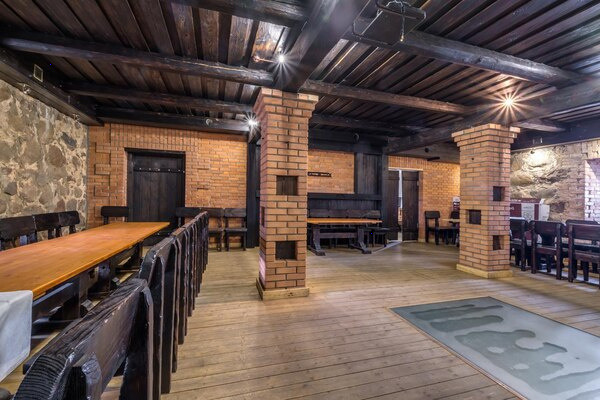
Location strategy also played a major role. Rather than chasing only high‑rent downtown spots, Scoreline chose mixed‑use neighborhoods and suburban hubs where people already lived, worked, and commuted. Most locations sit near major highways, transit lines, or stadiums, turning the bar into both a pre‑game and post‑game destination. In doing so, they became a natural extension of the arena experience for fans who couldn’t or didn’t want to pay for tickets.
Programming has been equally crucial. Scoreline positioned itself as a “home base” for major sports: NFL Sundays, college football Saturdays, NBA and NHL playoffs, March Madness, the World Series, and international soccer tournaments. That meant opening early for European matches, staying open late for West Coast games, and creating structured viewing schedules posted online and in‑store. Guests know exactly what’s on, where to sit for their preferred game, and how long they can stay.
To deepen its connection with fans, Scoreline embraced team allegiances rather than trying to stay neutral. They partnered with local fan clubs—Bills Mafia, Lakers fans, college alumni groups, Premier League supporters—and reserved sections or even entire areas on big match days. Banners, team colors, and custom chants turned the bar into a temporary home stadium. Suddenly, Scoreline wasn’t just showing the game; it was hosting a community of like‑minded fans who came back week after week.
Food and drink also evolved beyond standard bar fare. Scoreline realized that big games are long, and people are more likely to stay—and spend—when they enjoy what’s on the menu. They focused on shareable game‑day classics (wings, sliders, nachos) while adding regional twists that connected each location to its city: chili dogs in the Midwest, fish tacos on the West Coast, hot chicken in the South. Rotating craft beers and local brews sat side by side with national brands, positioning the bar as both familiar and authentically local wherever it opened.
Technology and fan engagement helped set Scoreline apart from older sports bars. A dedicated app allows guests to see which games are prioritized at which locations, reserve tables for major events, and even request specific audio feeds. On crowded nights with multiple games, some sections of the bar hear different commentary than others—as if the space were broken into mini stadiums. Social media campaigns, live score tickers, and in‑house trivia or prediction contests keep fans engaged during halftime and commercial breaks.
The staff is another key factor. Scoreline invested heavily in training bartenders and servers not just in service, but in sports literacy. Staff members know kickoff times, key players, and the stakes of major matchups. That matters on a busy night when a group wants to know if the bar can switch one screen to a smaller conference game or find a niche soccer league. When guests feel understood and accommodated, they’re more likely to claim the place as “their bar.”
Crucially, Scoreline made big events feel big. For the Super Bowl, NBA Finals, or College Football Playoff, they lean into the spectacle: themed decorations, limited‑time menus, jersey giveaways, halftime contests, and viewing packages for larger parties. Advanced booking for the biggest nights created a sense of anticipation. For many, the tradition shifted from “watching at home” to “meeting at Scoreline,” turning the bar into part of the ritual.
Inclusivity also played a part in their success. Scoreline recognized that the modern sports fan base is broader than the old‑school stereotype. They made sure their spaces welcomed families during earlier games, offered non‑alcoholic options and lighter menu items, and trained staff to create an environment comfortable for diverse crowds. Major international tournaments, women’s sports championships, and niche events—from UFC cards to esports finals—found a place on their screens, attracting audiences underserved by traditional sports bars.
Operational consistency helped turn one popular bar into a recognized brand across the country. Fans traveling for work or relocating to a new city could count on similar standards: quality screens, reliable game coverage, decent sound, and a familiar menu. Yet each location retained local touches, such as murals of hometown heroes or specials tied to local teams. That balance of predictability and local flair made Scoreline feel both national and personal.
Behind the scenes, data‑driven decisions shaped growth. Scoreline tracked foot traffic, viewing patterns, and sales tied to specific events. This allowed them to adjust staffing levels during big tournaments, refine their menu based on regional preferences, and time promotions leading up to major sports moments on the calendar. Rather than guessing what fans wanted, they responded to measurable behavior.
Over time, all of these elements—strategic locations, true multi‑screen experiences, fan‑club partnerships, elevated food and drink, smart use of technology, and consistent service—compounded. Word of mouth spread. Big‑game nights became fully booked affairs. Social media filled with images of packed Scoreline locations where strangers high‑fived over last‑second touchdowns and buzzer‑beaters.
In a crowded marketplace where many sports bars lean on the same formula, Scoreline distinguished itself by asking a simple question: What does a fan actually need to have the best possible game‑day experience? By building every part of its concept around that answer, it became more than a place to watch sports. It became the default answer to where to watch the biggest games in the USA.